
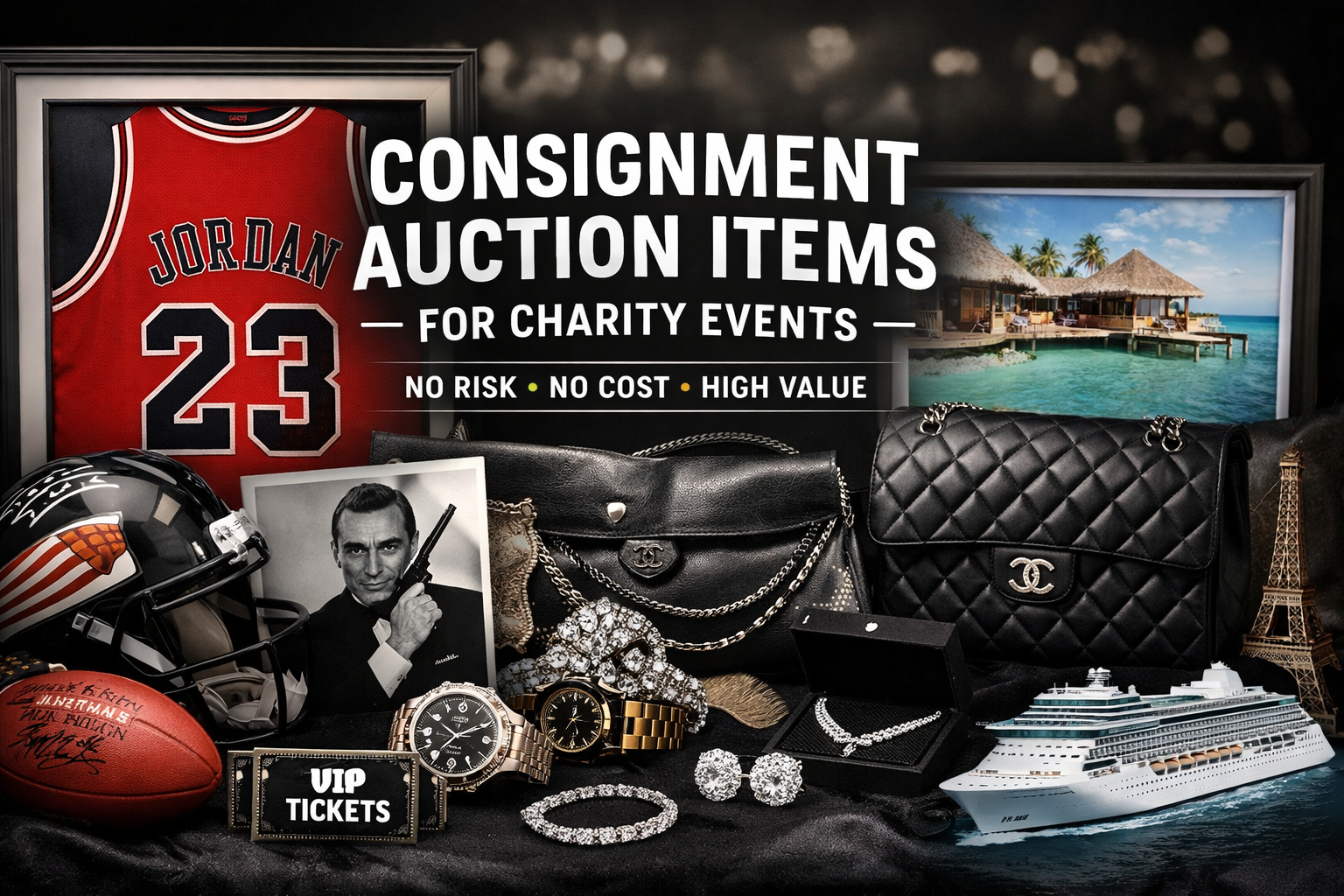
Charities across the country frequently host themed galas, poker tournaments, casino nights, and special fundraising events. While themes add energy and atmosphere, many nonprofits make a costly mistake when sourcing consignment auction items by limiting their requests to items that strictly match the event theme.
When organizations search for no risk auction items for charity events, their goal should not be decoration. The goal is to raise the most money possible. Auction success depends on offering items people genuinely want to bid on, not items that simply fit a theme.
Why Theme-Only Auction Items Hurt Fundraising Results
Just because an event has a theme does not mean guests want auction items that mirror it.
People attending a James Bond 007 themed gala are still interested in:
Autographed celebrity and sports memorabilia
Fine jewelry and men’s luxury watches
Designer handbags
Exclusive decor and wall art
Worldwide vacations and once in a lifetime experiences
These categories consistently perform well at charity auctions because they appeal to desire, status, and experience, not novelty.
At BW Unlimited, we are often contacted by charities hosting poker tournaments or casino nights requesting poker-themed auction items. While the event theme may revolve around cards and chips, bidder behavior tells a different story.
If someone enjoys poker or casino events, they are often also interested in:
Sports memorabilia from major athletes
High-end jewelry and men’s watches
Statement decor and collectible wall art
Luxury travel packages and unforgettable experiences
Limiting auction inventory to themed items reduces bidder excitement and restricts fundraising potential.
Consignment Auction Items Should Be Chosen for Value, Not Theme
Successful charity auctions focus on auction items that sell well, regardless of the event theme. Research and real-world fundraising experience show that high-value items outperform novelty items every time.
Autographed sports and celebrity memorabilia attracts attention in both silent and live auctions. Jewelry and men’s watches appeal to a wide audience and frequently generate competitive bidding. Designer handbags are proven performers at charity events. Exclusive decor and wall art adds perceived value and visual impact. Worldwide vacations and once in a lifetime experiences often become the highest-grossing auction items of the night.
These categories succeed because they align with bidder psychology and perceived value, making them ideal charity auction items on consignment.
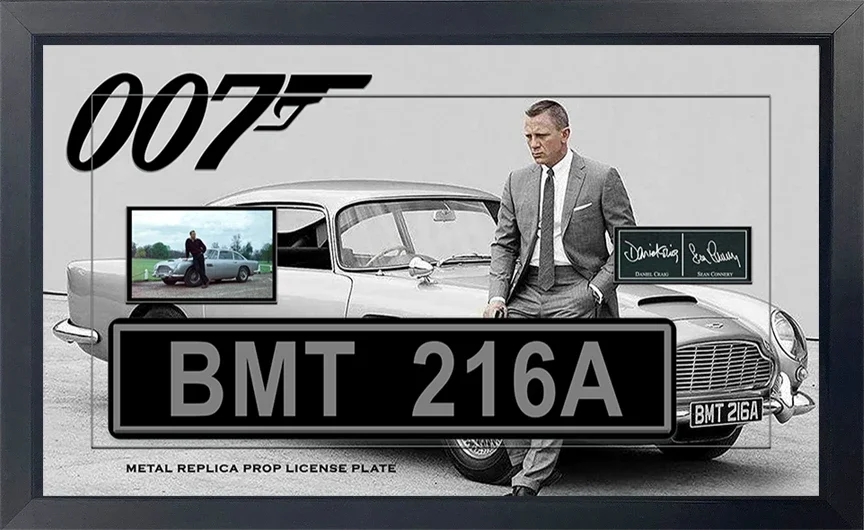
Themed décor items, such as James Bond auction pieces, can complement an event but should not replace high-value consignment auction items that drive bidding.
How Theme Restrictions Cost Charities Money
When nonprofits insist on theme-only auction items, one of three things usually happens:
The auction inventory becomes limited and less desirable
Fewer guests participate in bidding
The organization decides not to include auction items at all
This is especially damaging because many charities are searching for no risk auction items for fundraising. Consignment auction items allow organizations to offer high-value inventory without upfront cost or financial risk.
Declining effective auction items simply because they do not match a theme results in missed revenue and reduced fundraising impact.
The Smart Fundraising Strategy: No Risk Auction Items That People Want
Themes should enhance the event experience. Auction items should drive fundraising results.
The most effective fundraising strategies focus on offering no risk consignment auction items that people actually want to win. Autographed memorabilia, luxury jewelry, men’s watches, designer handbags, exclusive decor, and premium travel experiences consistently outperform theme-based novelty items at charity events nationwide.
When nonprofits focus on bidder interest instead of theme restrictions, they raise more money and create stronger auctions.
If your organization is searching for consignment auction items for charity events, the key is simple: choose items based on value, exclusivity, and demand. Not the theme.

